
Are you sure you know the hazards you may encounter inside a confined space?
Welcome back.
In this article, I want to share practical and straightforward guidance that can help you before performing work in confined spaces, contributing to a better understanding of the safety considerations involved.
 Let’s begin by focusing on the purpose of this article: to raise awareness about the hazards and risks associated with confined spaces across general industry, and to highlight the importance of understanding the consequences of unsafe practices in this high-risk type of work.
The goal of this article is to help you understand the hazards that can be present in different types of confined spaces, and to encourage the application of sound safety practices before beginning any work, taking into account what you read here.
Confined space hazards are often underestimated, which can lead to selecting protective measures that are either inappropriate or insufficient to eliminate the risks inside.
Although a confined space, by its very nature as an enclosed area, may create a sense of caution or concern for the person entering, the safety measures that seem adequate at first glance are often not enough.

Let’s use as an example a very common confined space that could exist in any home, factory, or industrial facility and appears to present no internal hazard: an underground water cistern or reservoir with an opening at ground level.
Because this space has only been used to store water and has an opening at the top, some people may assume it is harmless and enter without any form of protection. However, no matter how safe it may seem at first glance, it is not. Overconfidence in these situations can be dangerous.
Let’s take a moment to identify several hazards that can be present in this seemingly “harmless” confined space, so you can clearly see why appearances can be misleading.
In this confined space, we can find the following hazards:
- A very small entry and exit point that could make the rescue of an unconscious person difficult.
- Little or no air circulation, which could cause asphyxiation, leading the entrant to lose consciousness or, in the worst case, lose their life.
- In some cases, the presence of electric water pumps or piping.
- High or low temperatures.
- Humidity or dust.
- Slippery surfaces caused by fungi, mold, or algae.
- The possible presence of methane inside, generated by decomposing organic material.
In the previous example, I mentioned the hazards that came to mind while writing this article. However, if we were to analyze that confined space in greater detail, we would likely find many more. Doing so would make this article endless, so I will leave that part as an exercise for you.
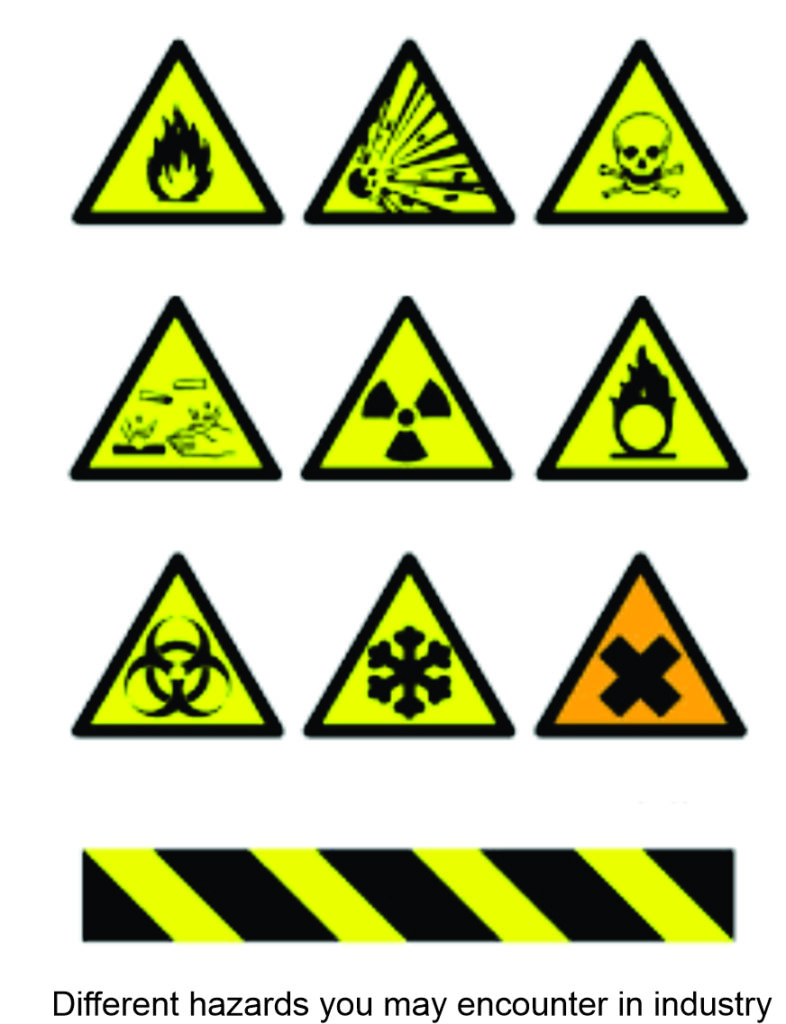
As we have seen, even a confined space that could exist in any home and appears to have no apparent hazards can still present several risks capable of causing harm or even costing a life. Now, imagine the hazards that may be present in confined spaces found in industrial settings, which are often not designed to store something harmless like water, but rather materials associated with industrial processes that may pose immediate danger. In addition, these spaces may contain mechanical elements that can also cause injury or be part of ongoing operations.
I do not want to extend this article by listing examples of the many different purposes confined spaces serve in industry, as they are countless and each one carries its own unique hazards and risks.
IMPORTANT! And I repeat this in all my articles: what I want to share with you here are practical tips that can help you stay safe before starting work in a confined space.
What you are reading here is not sufficient for you to perform confined space work. This must be complemented with proper theoretical and practical training for confined space entry.

This is complementary reading, nothing more.
Let’s talk briefly about some theory regarding confined spaces
What is a confined space?
You must keep in mind that before thinking about the necessary measures to work in a confined space, the first step is to verify whether the area actually qualifies as one.
I recommend removing from your mind the idea that a confined space is a specific type of place, such as a cistern, silo, tank, trench, or excavation. Instead, think of a confined space as any location that meets three main characteristics that make it potentially dangerous:
- A limited entry and exit.
- Little or no circulation of fresh air.
- Not designed for human occupancy.
Let me briefly explain why these characteristics are considered the primary sources of potential danger.
1.Why is having a limited entry and exit point dangerous?
Let’s remember that a high-risk task is defined as such because it can cause serious injury or death to workers.
Under that premise, it is important to understand something: in many cases, fatalities in high-risk industrial work do not occur immediately at the moment of the accident. Often, these deaths are the result of delays in evacuating the victim and providing proper medical attention.
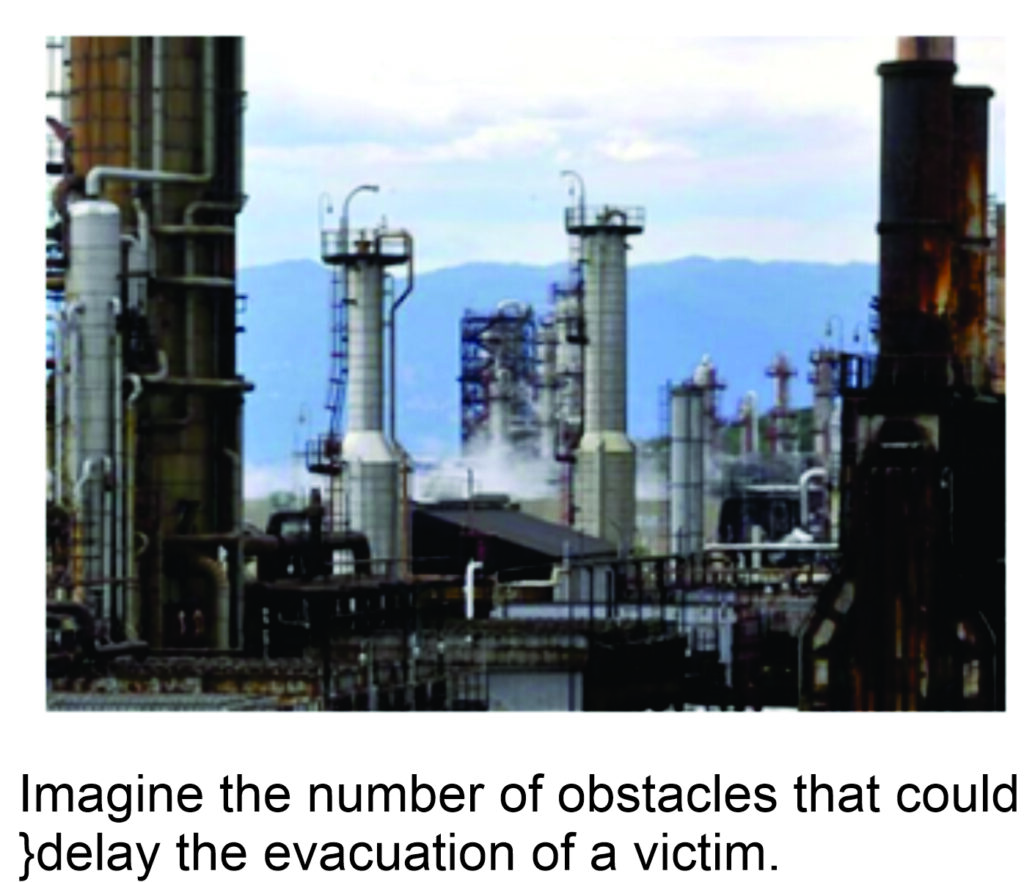
This lack of speed can be caused by many factors common in any industrial environment, such as the response time of emergency teams, obstacles that complicate the rescue (machinery, ladders, personnel, difficult access to the area, etc.), the absence of proper rescue equipment, deficiencies or lack of an evacuation and rescue plan, lack of knowledge, nervousness, or the distance to emergency activation points, among many other possible factors.
NOTE: A rescue situation begins to become critical after approximately 15 minutes from the time of the accident, significantly increasing the probability of a fatal outcome.

As you can see, there are many factors that can delay the rapid evacuation of an injured person. Now, in addition to all those factors—and others you can imagine—consider that the only way to evacuate the victim may be through an opening that is 24 to 32 inches (60 to 80 cm) wide, which is a common size for many confined space entries. This becomes even more challenging if the victim is unconscious.
As you can see, the simple fact that the entry and exit are limited or small significantly increases the risks already present during rescue or evacuation maneuvers, turning the most critical factor in any rescue against us: time.
2. Why is the absence of fresh air dangerous?
It is often believed that having a single opening anywhere in a confined space is enough to provide the necessary ventilation. However, this is not the case.
Let’s briefly talk about how air movement works, without getting overly technical.
For air to flow in a closed space, there must be at least two openings. If there is only one opening, the air pressure inside the enclosed space prevents fresh air from entering. Air does not move on its own; it is a gas that must be pushed or forced to move. The air outside cannot enter if the air inside has no way to exit.
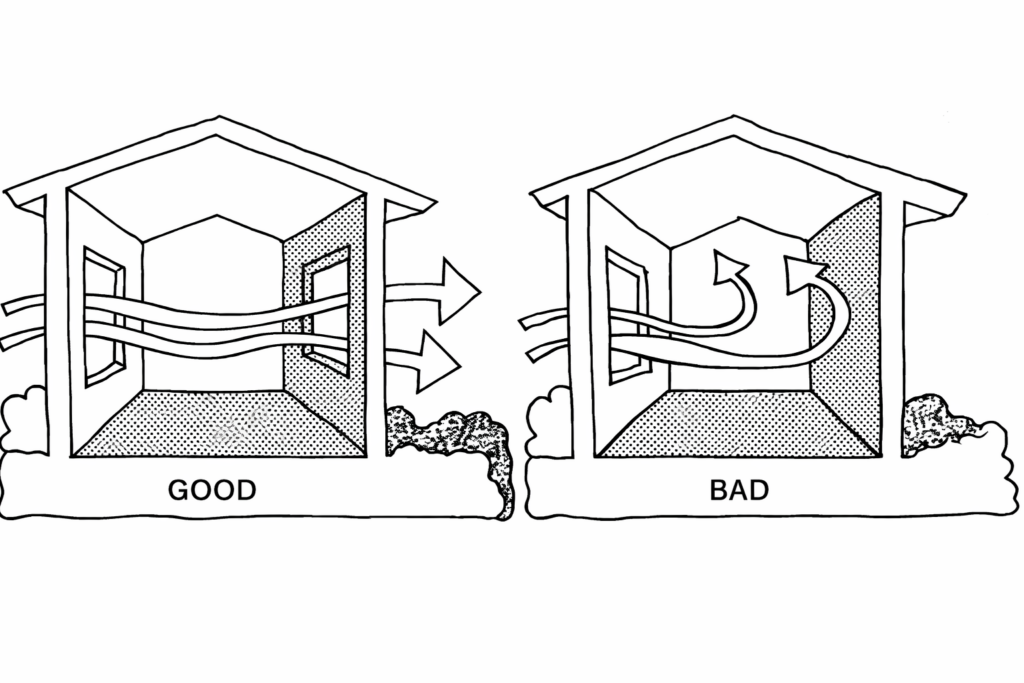
We can observe this on hot summer days. Opening a single window is not enough to keep a room cool—you also need to open the door to allow fresh air to circulate. The air entering through the window pushes the air inside the room out through the door.
Why do we need fresh air to circulate inside a confined space?
Many people already know the answer to this, and I’m not assuming you don’t. I’m simply explaining it for those who may not be familiar with it. Remember, you are not the only person reading this article.
To begin with, let’s clear up a common misconception: we do not actually “breathe oxygen” in the way we often think.
Human beings, like any other animal on this planet, do not breathe pure oxygen. We breathe air that contains only about 20% to 22% oxygen (commonly referred to as oxygenated air).

When we inhale oxygenated air, our body performs a process known as gas exchange, in which the oxygen from the air is converted into carbon dioxide (a gas that becomes toxic to humans in high concentrations).
Carbon dioxide has a similar weight to air, which means it also needs to be forced to move or be removed, especially in the case of a confined space.

When we are inside a confined space without air circulation, the carbon dioxide we exhale cannot be replaced by fresh, oxygenated air from outside. This can lead to asphyxiation due to the increasing concentration of carbon dioxide produced simply by breathing.
Although having only one opening prevents the natural circulation of oxygenated air inside a confined space, this does not mean we are unable to work safely in these environments. There are methods to solve this issue.

We can use fans to force fresh air into the space or exhaust systems to remove air containing carbon dioxide.
According to safety protocols, ventilation should be maintained at a rate of four air changes per hour. This means that the entire volume of air inside the confined space must be replaced four times every hour while the work is being performed.
NOTE: A proper and continuous atmospheric monitoring must always be carried out to ensure that the air inside maintains oxygen levels suitable for life.
3. Why is it dangerous that it was not designed for human occupancy?
You must consider that many confined spaces were designed to store materials or to be part of industrial processes. This means that no safety measures for people were considered in their design, since they were never intended for continuous human presence.
Inside, you will not find safety zones, walkways, hydration areas, or any of the basic elements typically present in spaces meant for human occupancy.

Inside a confined space, there can be many hazards that may harm the people performing occasional maintenance work within it. Remember that, because these spaces were not designed for human occupancy, these hazards often lack protective systems.
For example, a confined space may contain liquids, machinery, steam pipes, chemicals, or even bulk materials such as grains that could engulf the entrant.
NOTE: Before working in a confined space, a hazard assessment must be conducted from outside in order to identify and eliminate the risks.
The previous points are general characteristics of any typical confined space. As we have seen, these characteristics alone are enough for a confined space to be considered an extremely dangerous place.
In the next part of this article, I want to describe other hazards that you may encounter — or even create yourself — while working inside a confined space.
Additional Hazards in Confined Spaces
In the previous sections, I have tried to explain how dangerous a confined space can be simply by being a confined space. Now, I want to explain the additional hazards that may be present inside it.
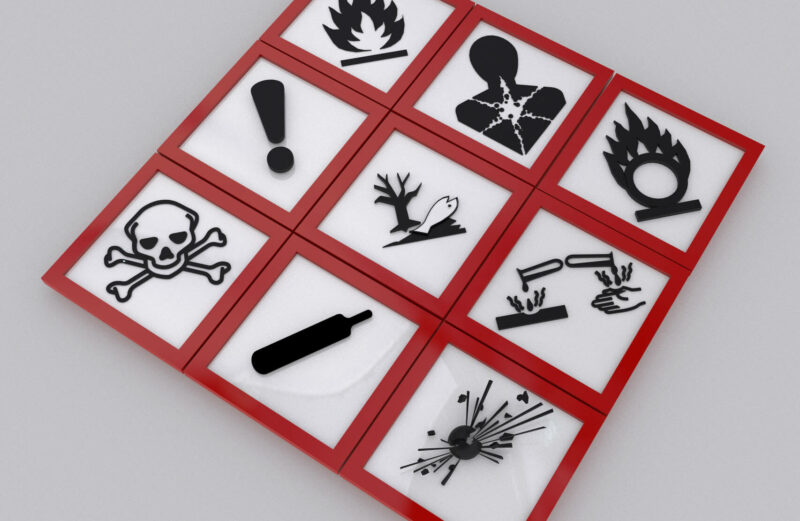
These hazards may have existed before the work began, and in some cases, we may create them ourselves during the job, for example when welding, painting, grinding, performing electrical installations, and similar tasks. These activities can make the confined space far more dangerous than it was before work started.
NOTE: During the hazard analysis conducted prior to the job, it is important to consider not only the hazards already present, but also the ones that will be generated as part of the work process.
In this section, I will try to be as brief as possible without losing focus on what truly matters, since this article is already quite long. In my humble opinion, however, this information will be very helpful to you.
Inside a confined space, we can find the following factors that may make it even more dangerous than it already is:
Flammable or Explosive Atmosphere
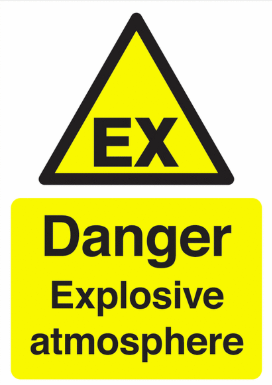
As the name implies, this type of atmosphere contains substances suspended in the air that are flammable or explosive. Another condition that may cause it to be considered as such is an abnormally high concentration of oxygen inside the confined space.
NOTE: Never ventilate a confined space with pure oxygen.
We can encounter two types of explosive atmospheres:
Explosive gas atmosphere
This is present when a substance produced by the evaporation of a fuel or volatile liquid is suspended in the air, or when there are high concentrations of flammable gases such as propane or butane.

Explosive dust atmosphere
These hazards are often underestimated because they do not smell flammable, as many vapors or gases usually do.
Remember that any material exposed to an industrial process generates dust, and if that material is flammable, its dust is flammable as well. Be especially careful when working in paper mills, sawmills, grain storage facilities, and similar environments.

This is important because we often rely on our sense of smell to determine whether an atmosphere is flammable or explosive, but many explosive dusts have no odor at all, like the examples mentioned above.
NOTE: We can turn a normal atmosphere into a flammable one simply by cleaning the walls of a confined space with solvents.
Toxic atmosphere
 In this type of atmosphere, what is suspended in the air is a substance that can cause harm to the health of anyone entering the confined space, such as asbestos, potassium cyanide, lead oxide, ammonia, welding fumes, etc.
NOTE: Welding fumes in a confined space are dangerous, as they can fill your lungs with metallic smoke and leave traces of metal inside them. Just in case—having metal in your lungs does not give you superpowers; on the contrary, it can cause serious long-term damage or even lead to death.
Thermal atmosphere
 When we talk about a thermal atmosphere, we are referring to both high and low ambient temperatures.
To give you an idea, the maximum temperature the human body can tolerate is around 131 °F (55 °C), and the minimum is about –40 °F (–40 °C). These temperature ranges are not difficult to reach inside a confined space. Let’s look at an example:
Imagine you have to perform steam cleaning inside a confined space. Steam is typically at a temperature slightly above 212 °F (100 °C). I’m not saying you’re going to spray steam directly onto your body—that would be immediate self-harm—but that high-temperature steam can raise the ambient temperature beyond what the human body can safely tolerate. It would be like working inside an oven at 158 °F (70 °C).
That is why you must always be extremely cautious and take the necessary precautions when working under these conditions.
Mechanical Hazards

In this last category, environmental conditions are no longer the primary concern. Here, the danger comes from elements that may be located inside or outside the confined space, as well as from the way the space is configured.
Examples include internal machinery, piping, electrical components, conveyor belts, or cone-shaped silos that could trap an entrant at the bottom.
In this extensive article, I have tried to show you the hazards you may encounter inside a confined space. However, this alone is not enough without proper training for confined space entry. As you may have noticed, I have only discussed the hazards you might find or even create inside a confined space. This is far from everything you need to know about the subject.
The full range of topics that must be covered before working in confined spaces goes far beyond this “brief article” you have just read.
Don’t worry—you won’t have to read much more. Most confined space training programs are about 80% practical.
I will try to cover additional confined space safety topics in future articles.
All that’s left for me now is to say goodbye and wish you a safe day.
Until next time!
Author: Gianfranco Binda
Bison Up – High Access Specialist