
This article addresses the topic briefly and directly, focusing on a critical risk associated with working in confined spaces.

Although the title may seem humorous at first glance, it should not be interpreted as minimizing the importance of safety in this type of work.
Before explaining the reason behind the title of this article, it is necessary to understand the origin of the myths and superstitions related to the so-called curses of the Egyptian pharaohs.
(This context is important.)
In the past, several archaeologists and explorers who ventured to open sealed sarcophagi died shortly afterward, giving rise to numerous stories and beliefs surrounding these events.

Before explaining what was happening to these individuals, it is useful to set aside the Egyptian context for a moment and focus on a particular gas that is responsible for many accidents, as it can be present in confined spaces that may appear to pose no danger. This gas is methane.
Methane is a gas that is lighter than air, flammable, and capable of displacing oxygen at high concentrations, which can lead to asphyxiation. While this may not represent a significant hazard in open and well-ventilated areas, in enclosed and restricted spaces it can become extremely dangerous. In confined environments, even a small amount of this gas can quickly turn into a high atmospheric concentration.
How is methane generated?
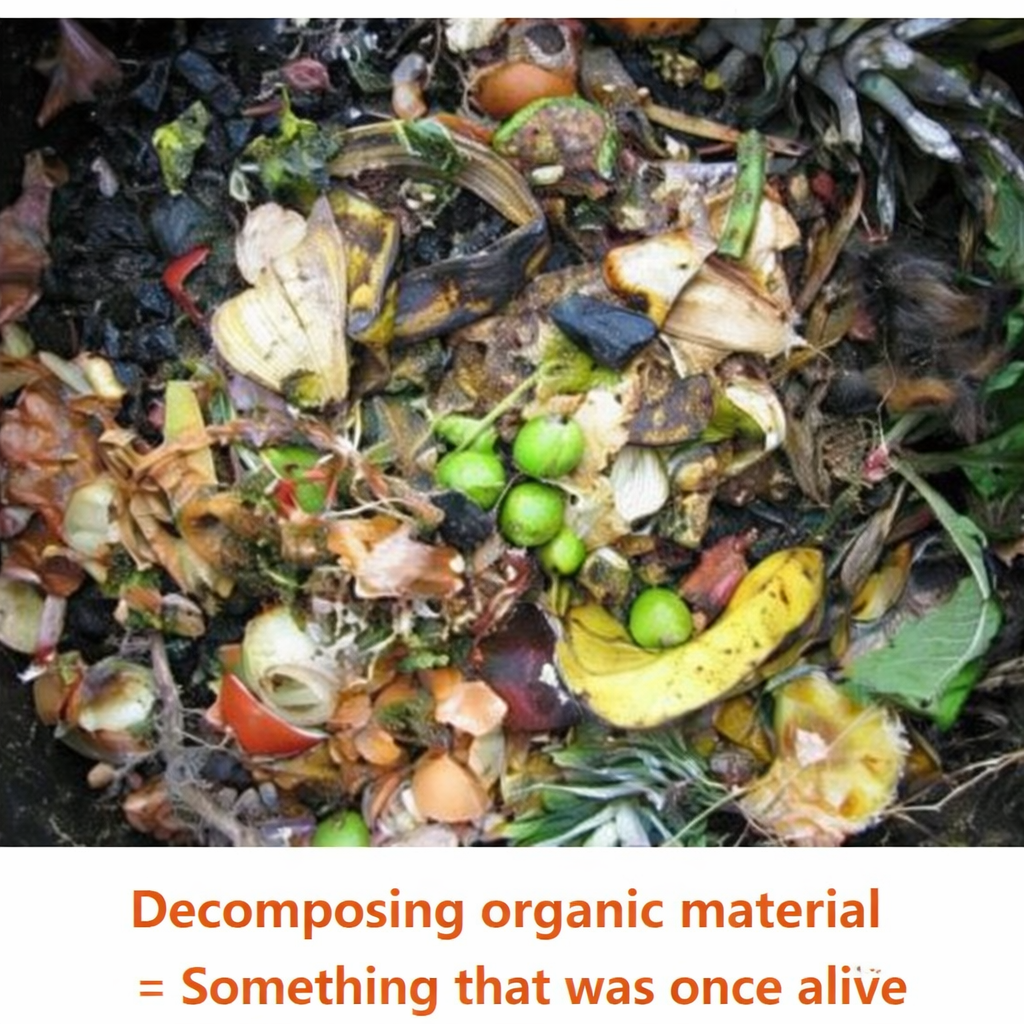
Methane can originate from several sources. The primary source is geological deposits, where it is formed through the decomposition or fermentation of organic matter—anything that once had life or is derived from something that once had life—such as plants, insects, animals, human or animal waste, paper, food, and similar materials.
We should never underestimate the importance of atmospheric testing before entering a confined space.
A confined space that shows no obvious signs of a hazardous atmosphere—one that has not been used to store toxic or flammable materials—should still be approached with caution, as it may contain methane concentrations that are dangerous to humans.
Consider a confined space commonly found in many homes, such as a cistern or water tank that has not been used for a long time and now requires cleaning.
Inside this confined space, high concentrations of methane may have accumulated over the years, generated by the decomposition of common organic elements such as algae, rodents, insects, sludge, bacteria, and similar matter.
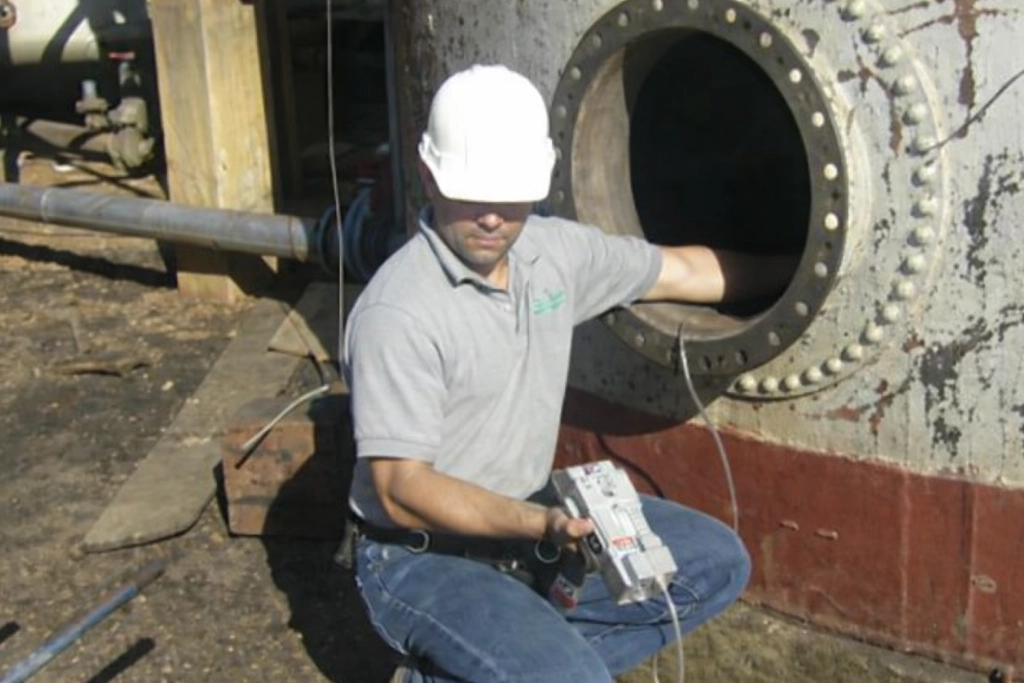
For this reason, proper atmospheric testing must always be conducted before entering a confined space, even when no apparent hazard or risk is visible.
It does not matter whether hazardous materials were ever stored inside the space. If atmospheric testing is not performed correctly before entry, there is a real risk of fatal exposure, as methane may be trapped inside the confined space.
Atmospheric testing is also mandatory under established safety protocols. The purpose here is to explain the reasoning behind those protocols and to help you understand what could happen if they are not followed.
Let’s return to the Pharaoh’s curse
With this explained, you can probably already understand what was happening to those who ventured to open the tombs of Egyptian pharaohs.
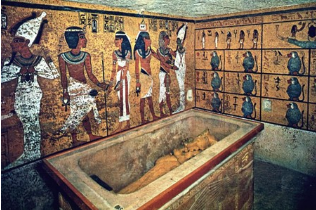
When a pharaoh died, he was placed inside a sealed tomb along with a considerable amount of organic material such as food, plants, animals, and sometimes even his wife (yes, they were quite cruel). Over time, all of this organic matter decomposed, generating methane inside the tomb, which was usually located within a very small chamber inside a pyramid or similar structure.
When the tomb was opened, the methane trapped inside was released into the chamber, displacing the available air and causing asphyxiation. This is what gave rise not only to superstitions, but also to many stories, books, and films about supposed curses.
The ironic part of the story is that the Egyptians probably had no idea this would happen.
What is not ironic at all is that the same situation can occur today if confined space safety is underestimated.
No matter how safe a space may appear, safety protocols must always be followed when working in confined spaces. Proper atmospheric testing must be carried out using appropriate, certified, and calibrated equipment before entry.
These calibrations should be performed at least once a year, and the companies that carry them out must provide a valid inspection and calibration certificate for the equipment.

Atmospheric testing devices should not be used unless they have this certification.
Always remember: test the atmosphere before working in a confined space. Don’t become the reason behind another “curse” story in a confined space.
This brief overview is intended to reinforce essential safety knowledge and highlight the importance of proper procedures when working in these environments.
All of this—and much more—is covered in detail in our Confined Space Entry Protocols training, where these risks and the correct preventive measures are thoroughly explained.
Stay safe, and always make safety your first step before entering any confined space.
Author: Gianfranco Binda
Bison Up – High Access Specialist